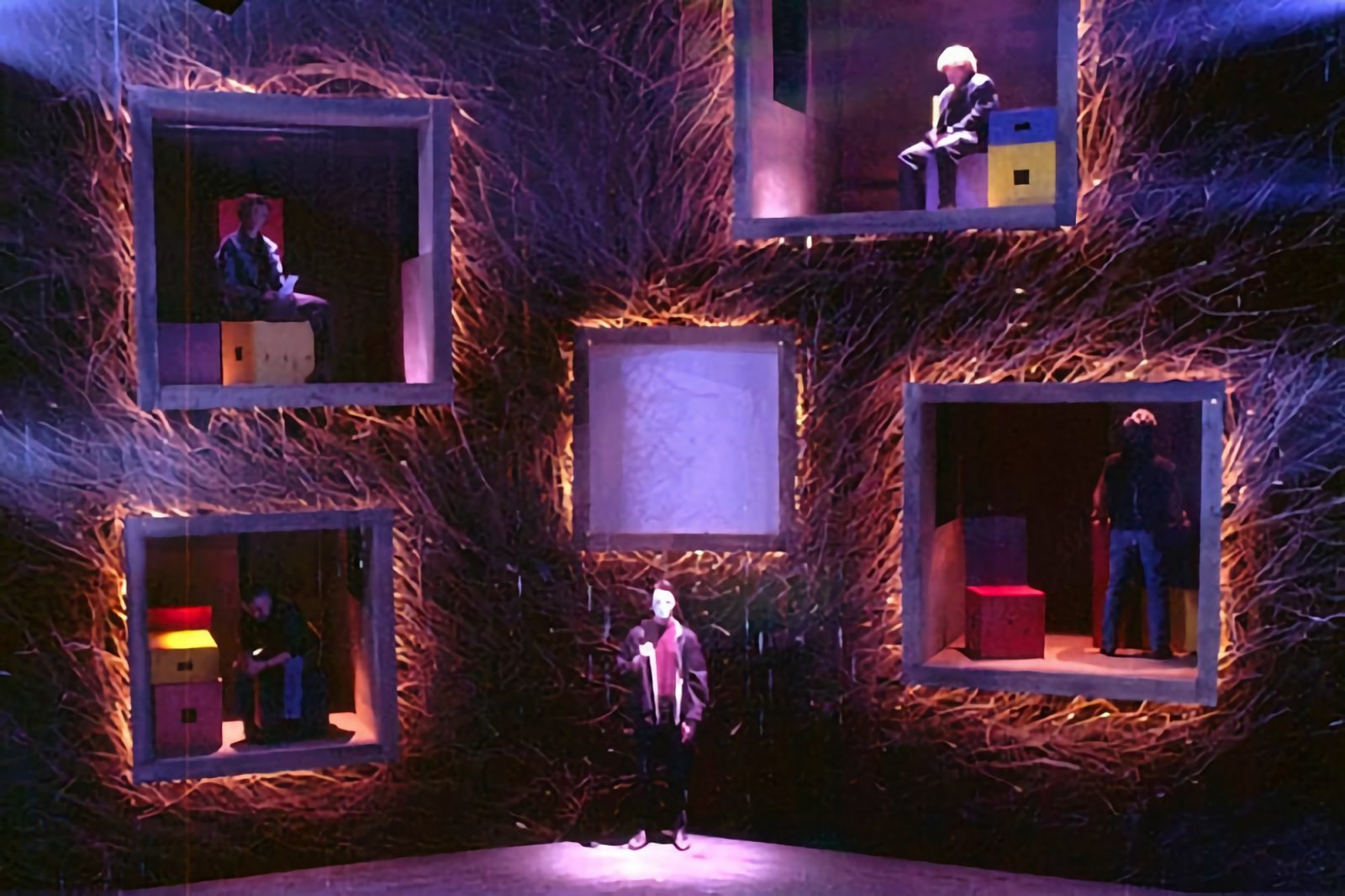
In November 1998, in the middle of the provincial election campaign, Annabel Soutar and Alex Ivanovici hit the road. One month, an economy car, a tape recorder, and four simple questions meant to find out what democracy meant, at that moment, to Quebecers.
Porte Parole’s first documentary theatre piece was a major gamble: a cast of fifteen actors—Francophone, Anglophone, and allophone; a bilingual text with no surtitles; and a form that was still virtually unknown in Quebec at the time, documentary theatre.
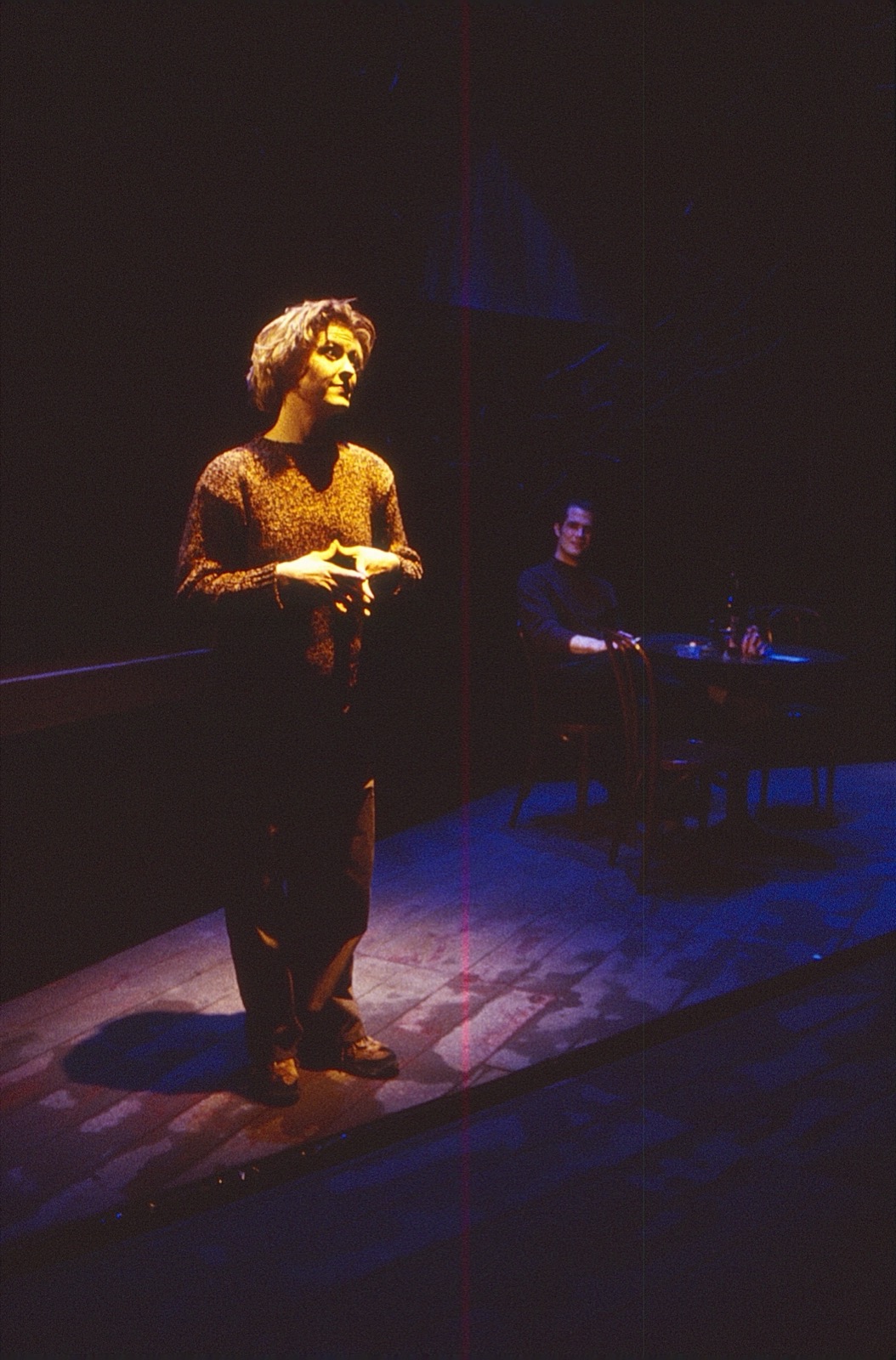
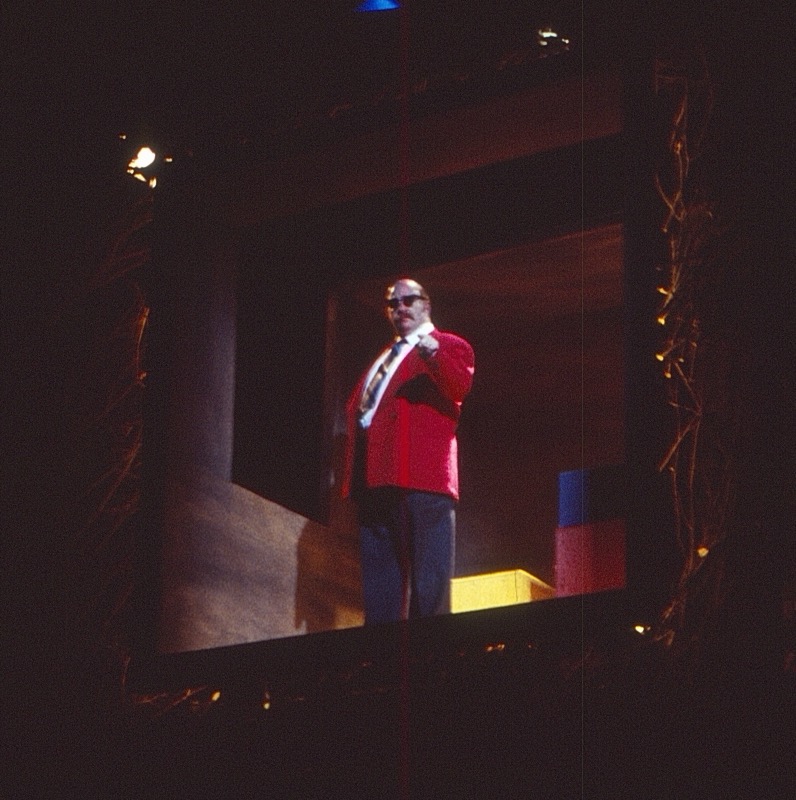
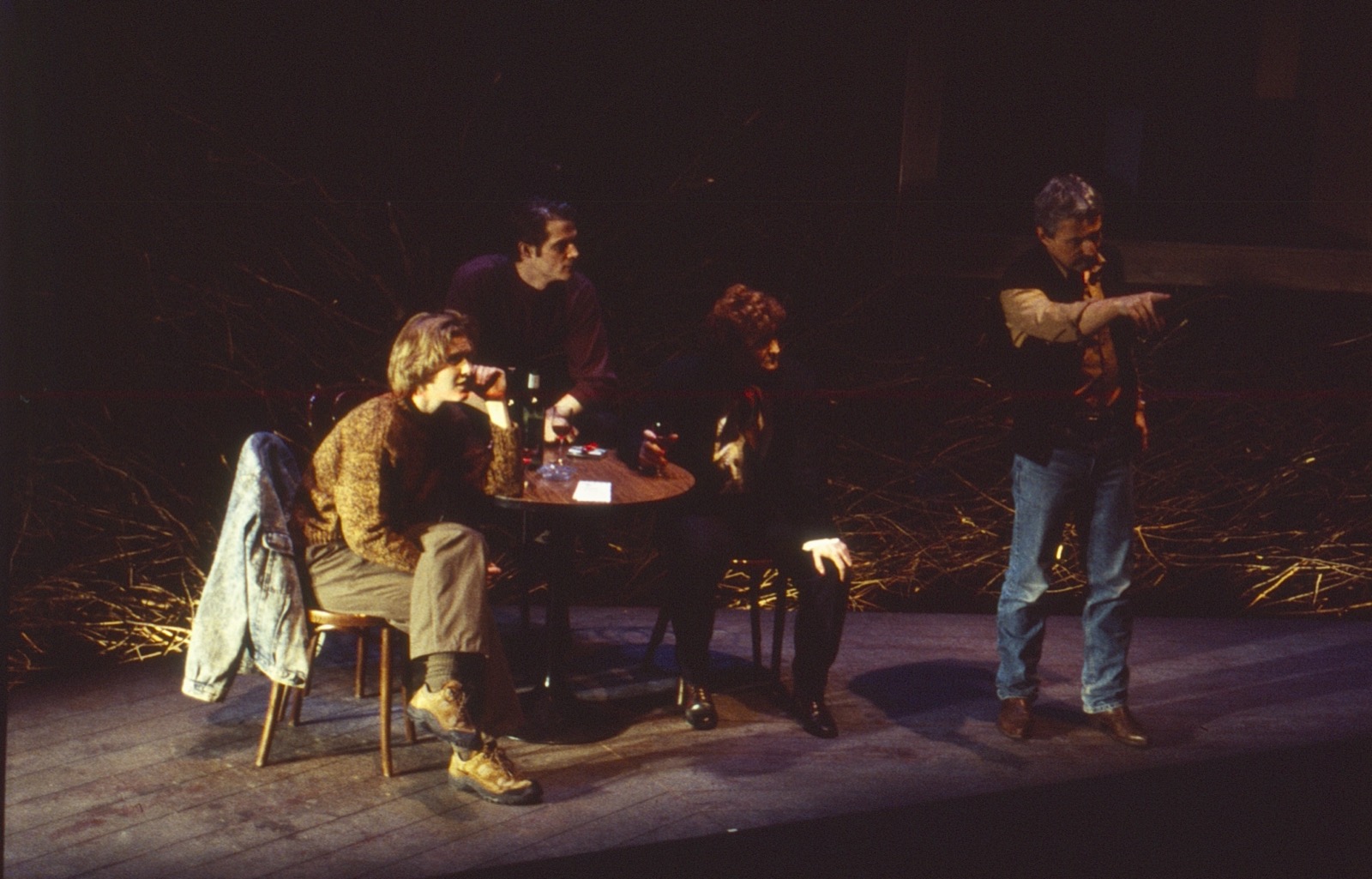
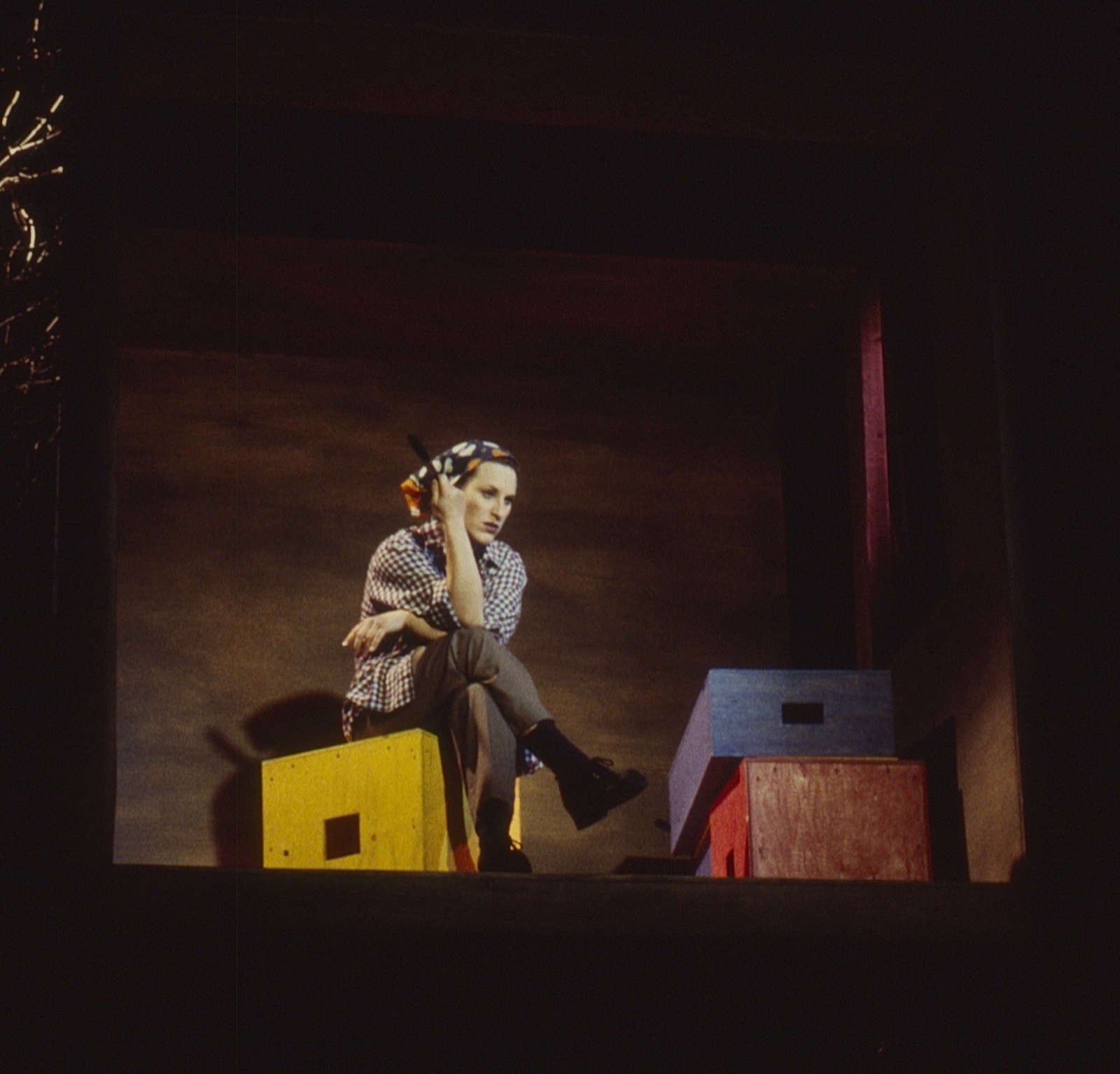
The play reveals some marvelously idiosyncratic and entertaining stories about Quebec’s fascinating political landscape; stories from Montreal to the eastern tip of the Gaspé peninsula, stories about different people who are unified by a common set of problems which are not always addressed by political parties.
Novembre’s text is made of verbatim transcripts of interviews with citizens from all over the province. It takes its audiences into ‘casse-croutes’, bed and breakfasts, offices, churches, and many other intimate environments to hear a collection of authentic voices describe their experience of provincial politics. These voices belong to priests, students, hospital administrators, teachers, lumberjacks, fisherman, homemakers, mechanics, economists, farmers, journalists, bureaucrats, politicians and volunteer workers. They belong to young and old, rich and poor, French and English speakers.
Novembre uses satire to deliver a serious message; that a healthy democracy demands participation and a political consciousness from every citizen, and that if problems persist in Quebec we must all accept responsibility for them. Novembre finds a humorous vehicle for this message, however, in the delightfully idiosyncratic expression of over 30 Quebec characters.
The 1998 Provincial Election
On November 30, 1998, Quebec went back to the polls three years after the 1995 referendum, narrowly lost by the OUI (49.4% to 50.6%). The national question remained at the heart of the debate, creating a constant tension between two irreconcilable visions of Quebec. By then, Lucien Bouchard had been Parti Québécois leader and premier since 1996, following Jacques Parizeau’s resignation. Facing him was Jean Charest, newly arrived from federal politics to lead the Quebec Liberal Party and rally the federalist side. And then there was Mario Dumont’s ADQ, trying to carve out a third option.
The province felt split down the middle: sovereigntists on one side, freshly wounded, federalists on the other, each camp digging their heels. Politics spilled out everywhere: around kitchen tables, in bars, at work. It’s in this context that Annabel and Alex conducted their investigation.
The election has remained famous for its paradoxical result: the PLQ won more votes (43.55%) than the PQ (42.87%), but the PQ won far more seats (76 to 48) and stayed in power, an contradiction that highlights the limits of a first-past-the-post voting system.
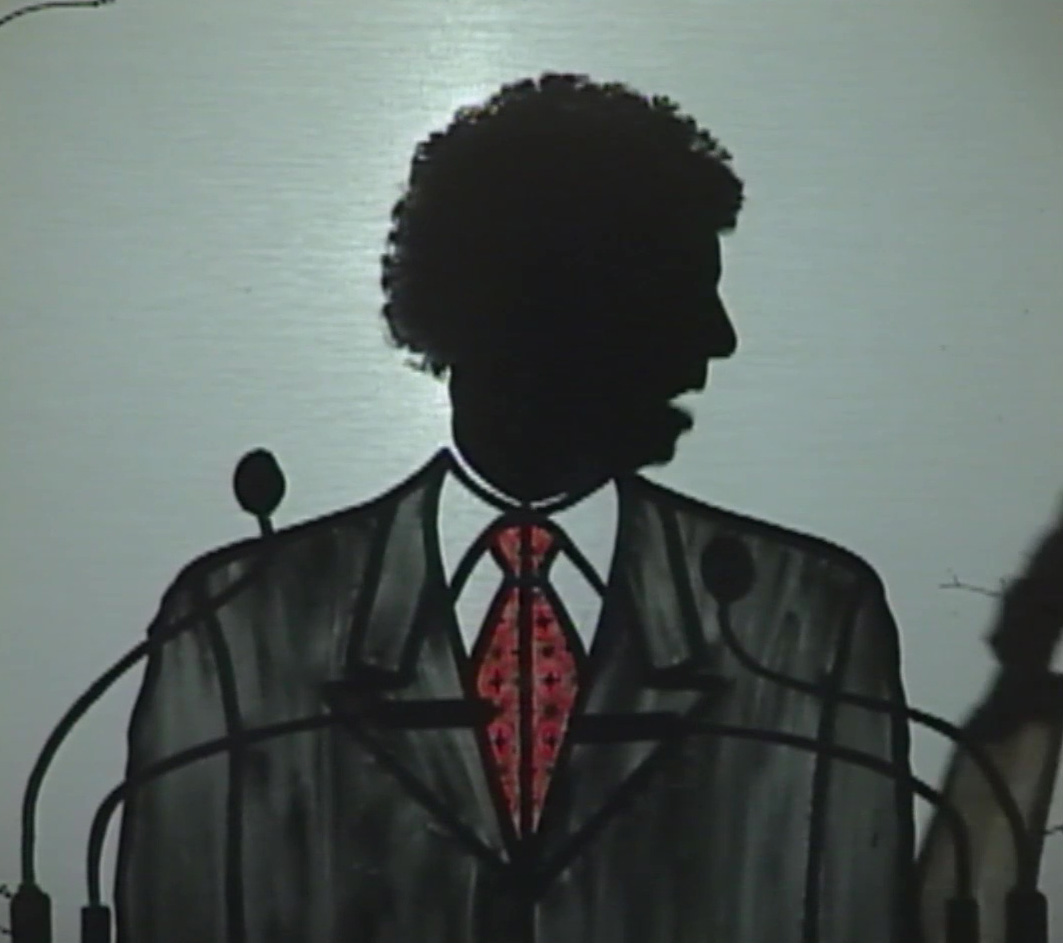
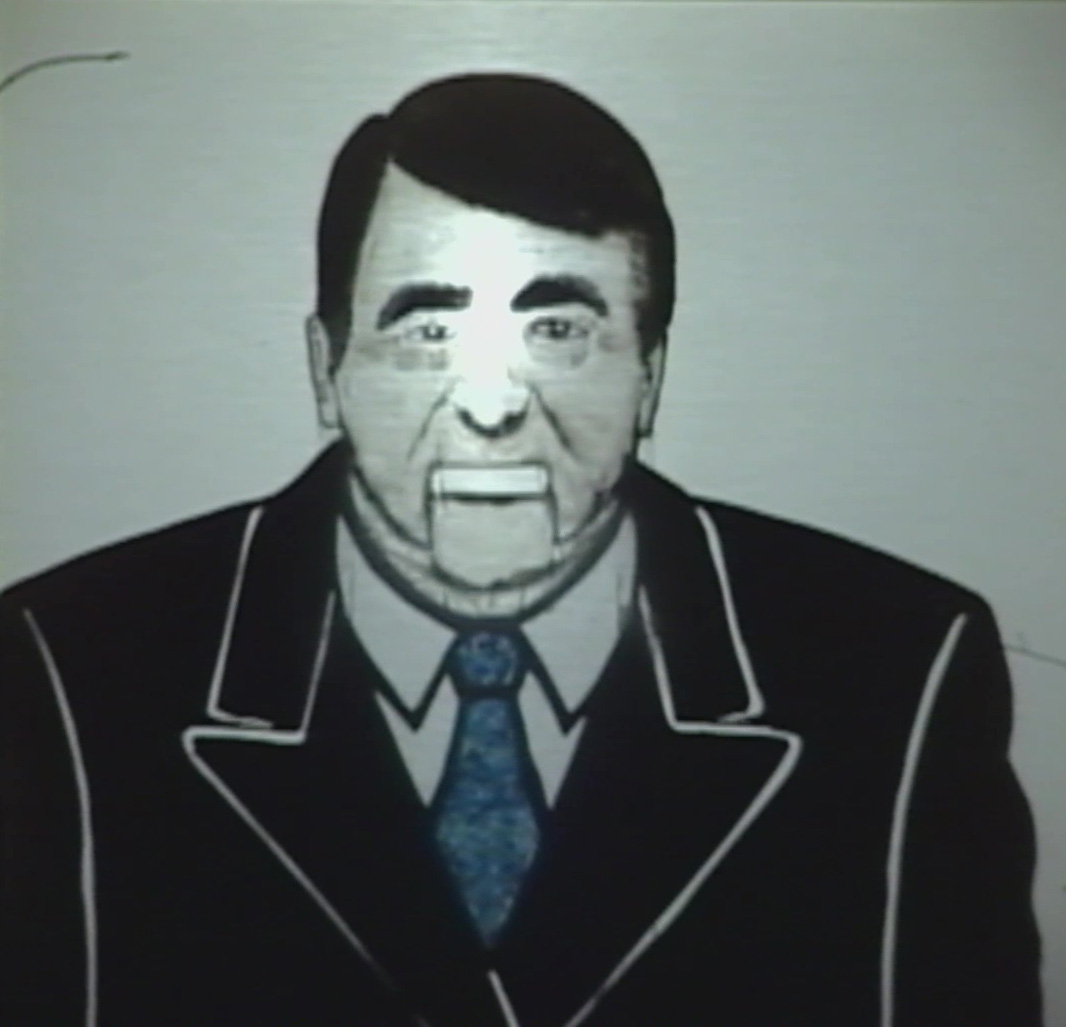
To bring the two main party leaders onstage in Novembre, the show used shadow puppets designed and operated by Faye Dupras.
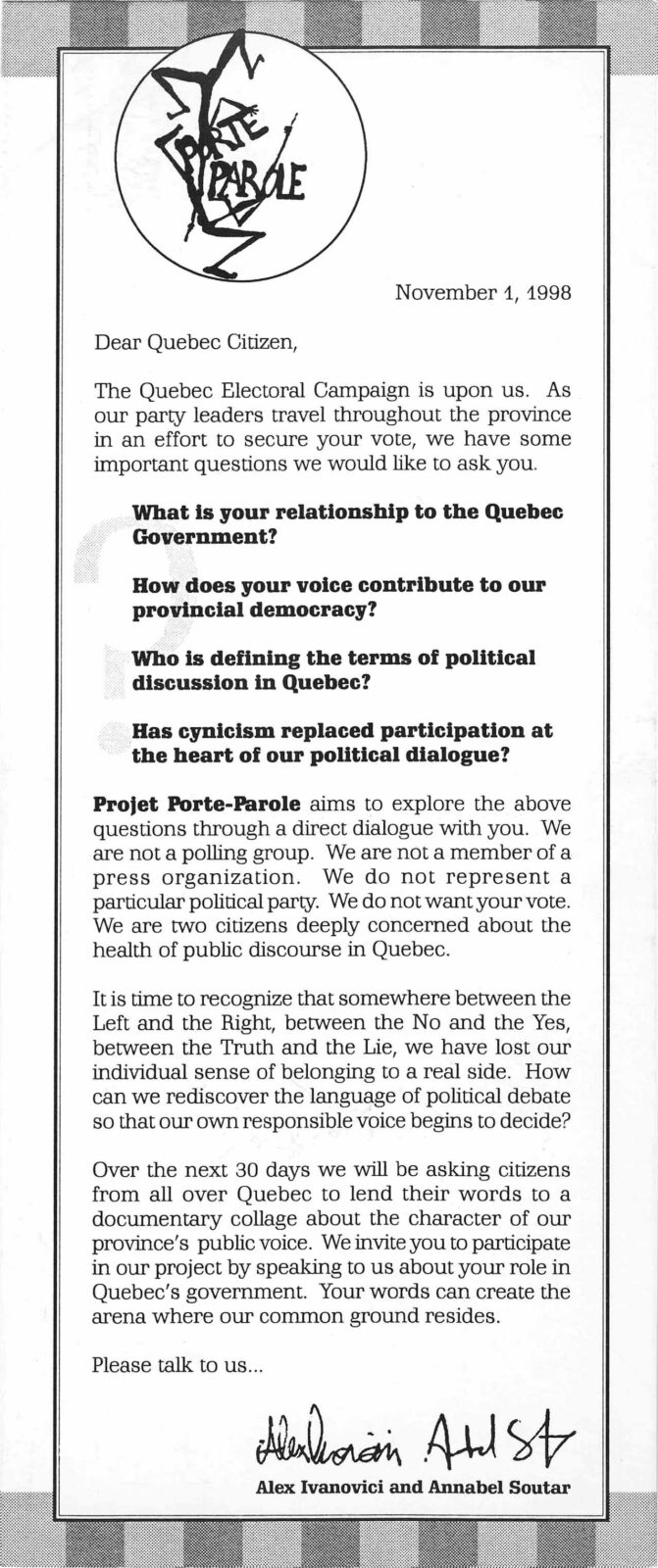
Novembre’s four questions
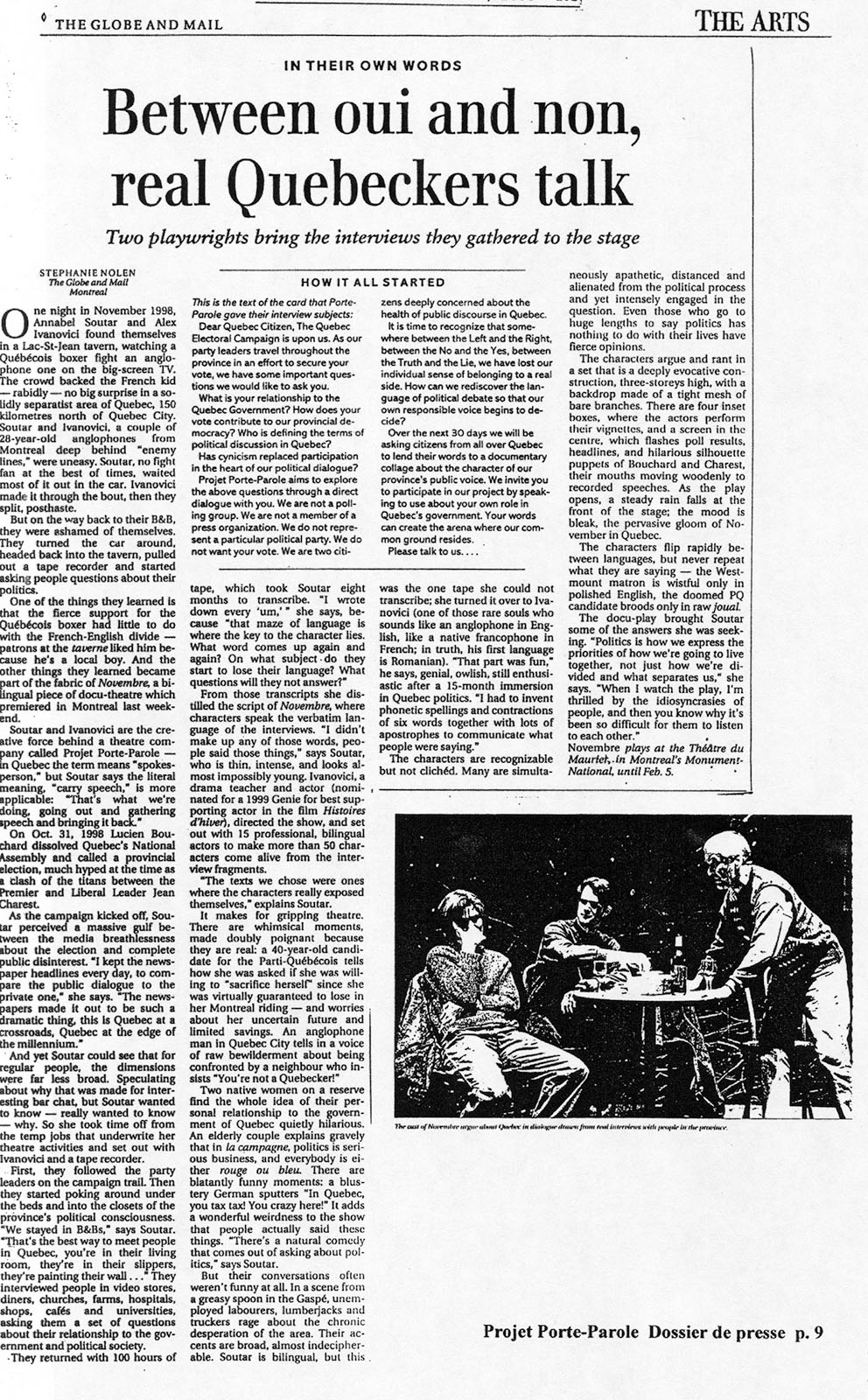
This 1998 pamphlet accompanied Novembre’s citizen investigation. The mission that is laid out for Porte Parole still rings true today.
Projet Porte-Parole aims to explore the above questions throgh a direct dialogue with you. We are not a polling group. We are not a member of a press organization. We do not represent a particular political party. We do not want your vote. We are two citizens deeply concerned about the health of public discourse in Quebec.
It is time to recognize that somewhere between the Left and the Right, between the No and the Yes, between the Truth and the Lie, we have lost our individual sense of belonging to a real side. How can we rediscover the language of political debate so that our own responsible voice begins to decide?
What is your relationship to the Quebec government?
How does your voice contribute to our provincial democracy?
Who is defining the terms of political discussion in Quebec?
Has cynicism replaced participation at the heart of our political dialogue?
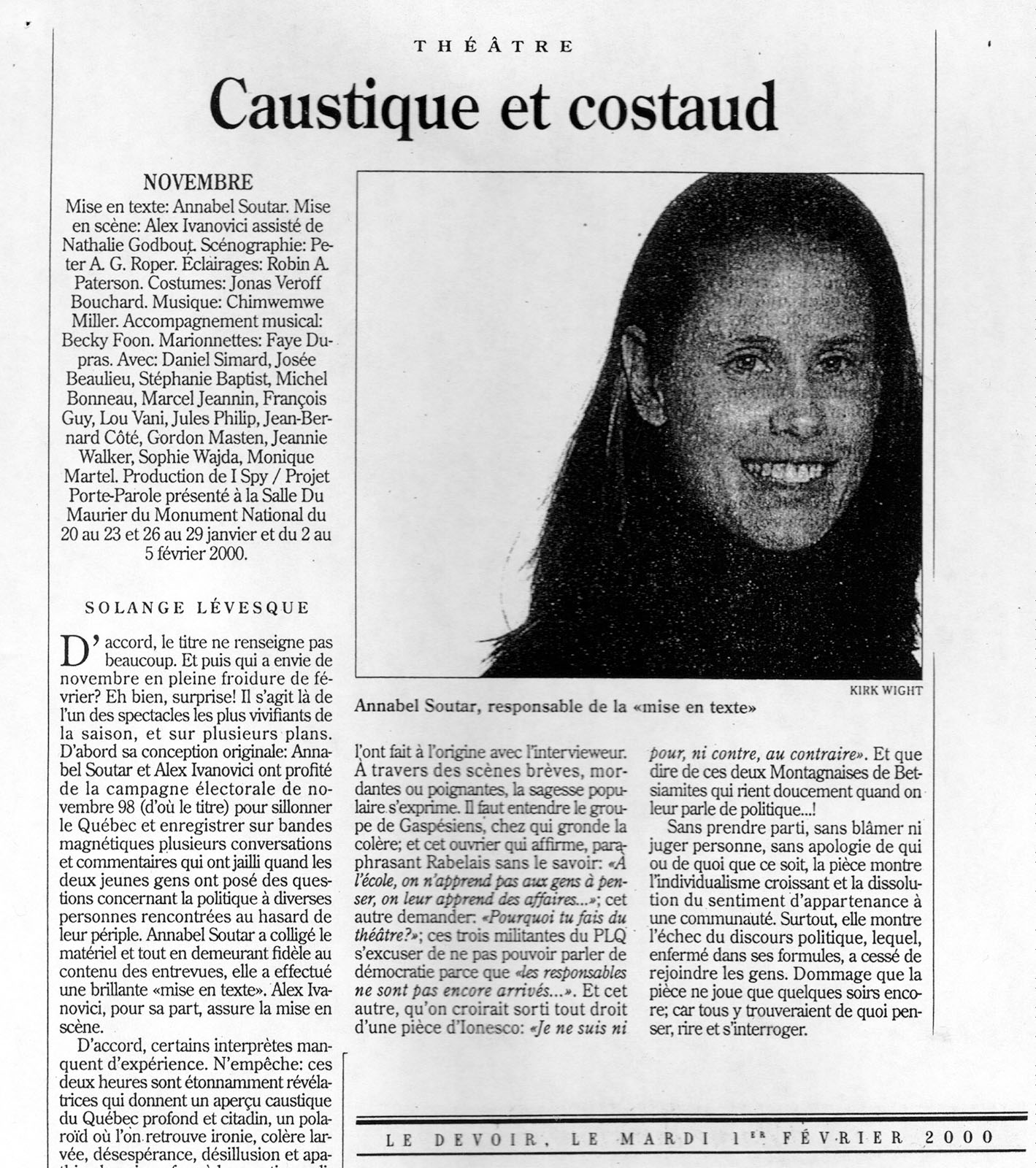
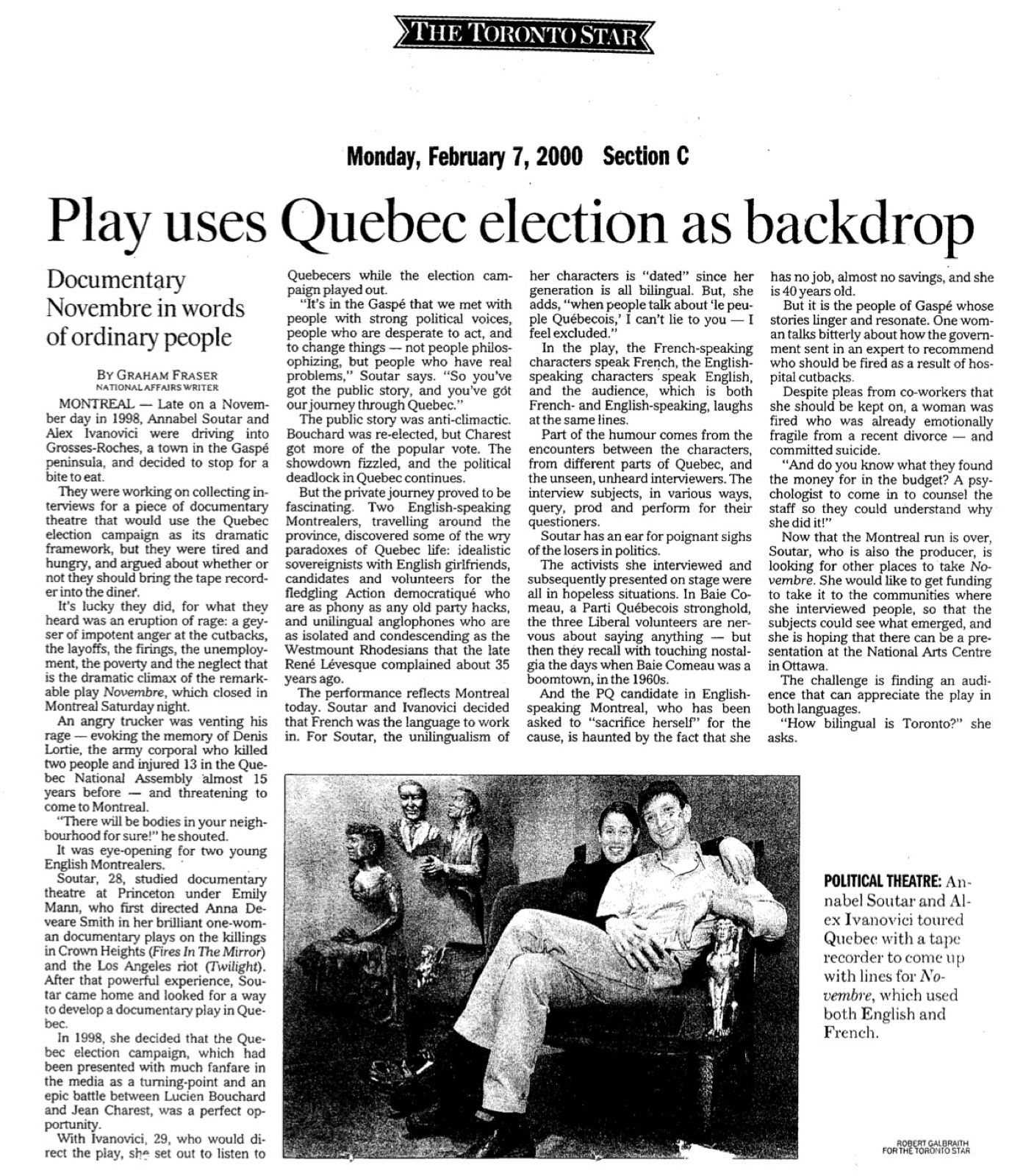
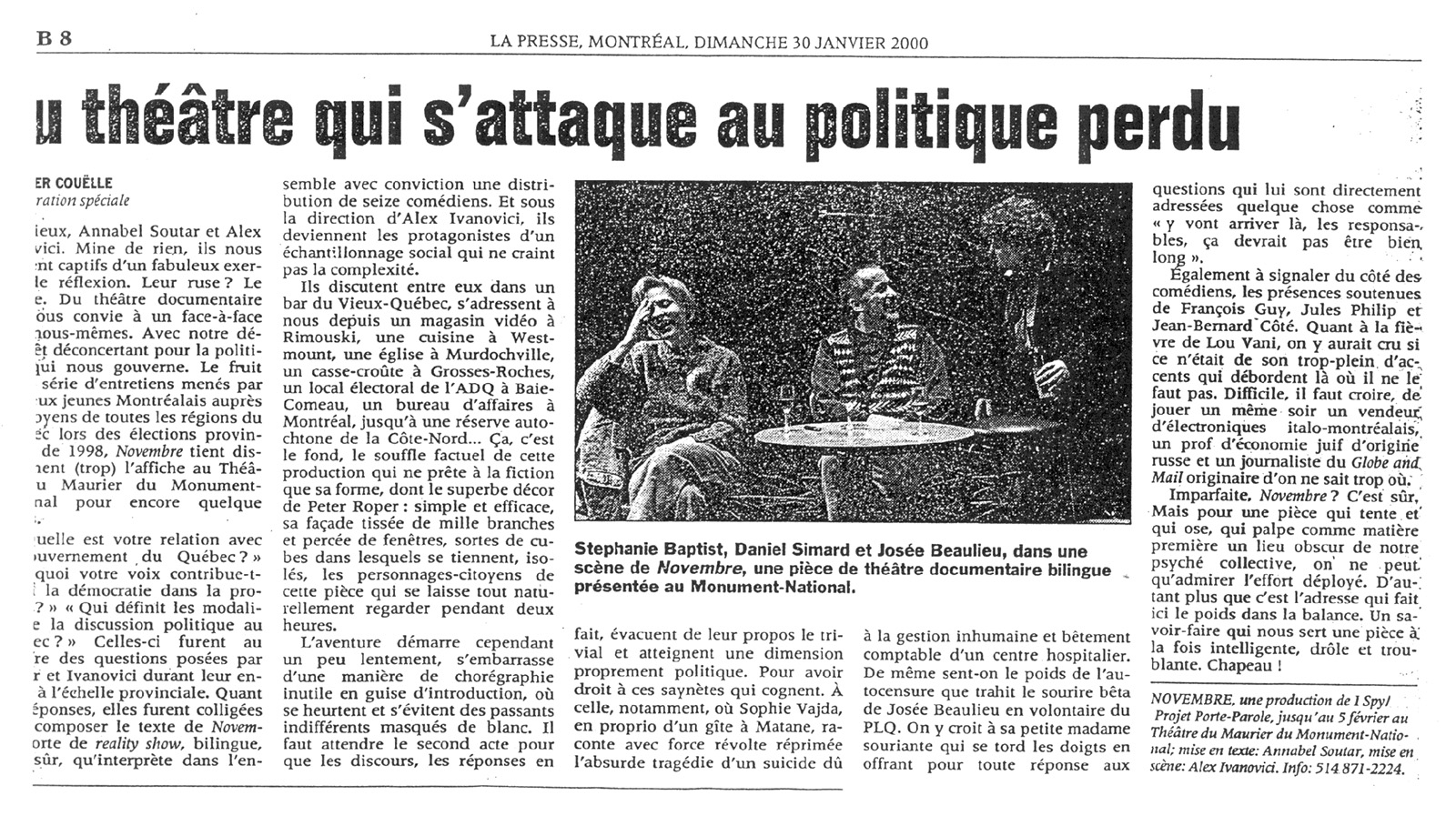
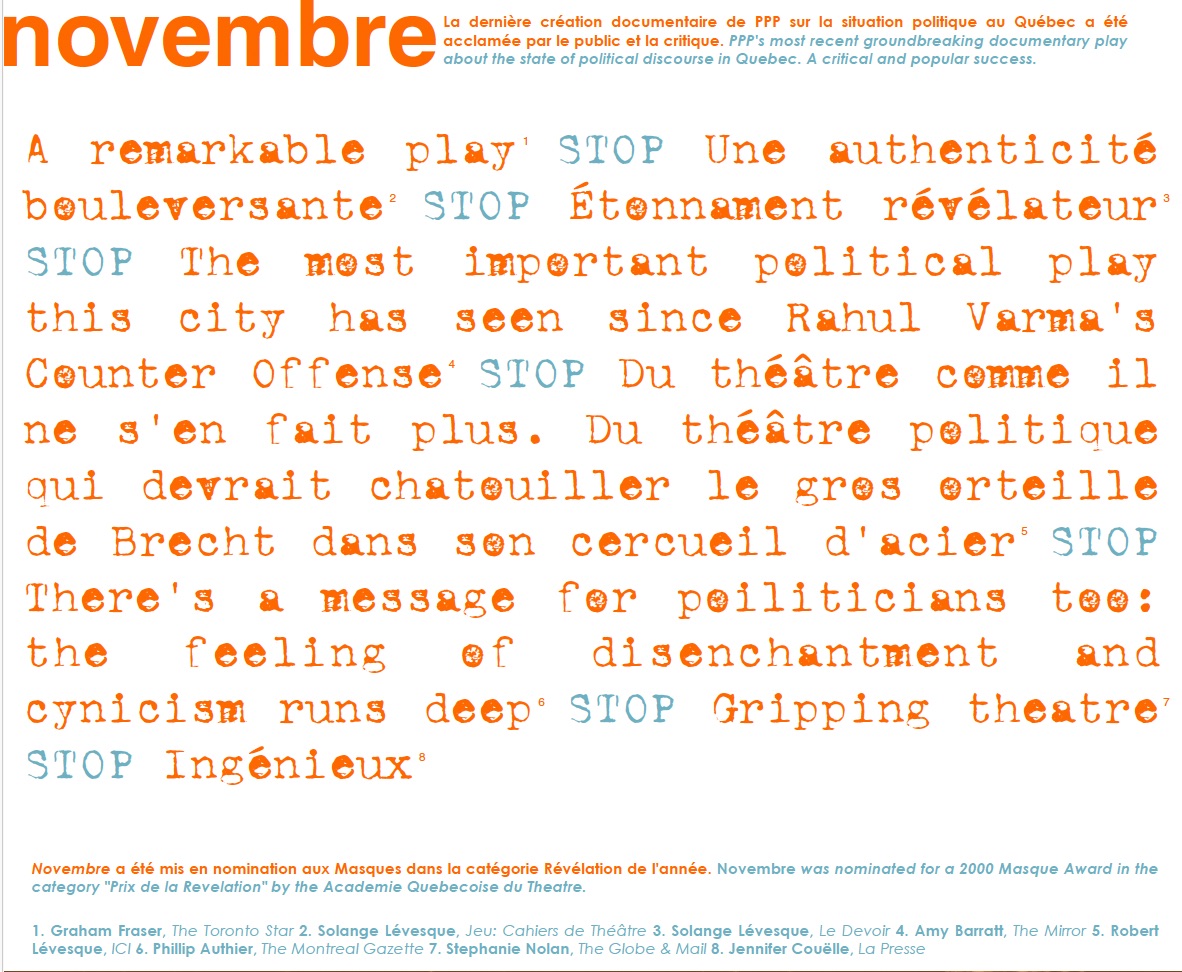
In the media in 2000